
Finding the perfect trailer feels overwhelming with so many options available. You need something reliable, safe, and suited to your specific tasks. This guide walks you through every important factor, helping you make a confident choice.
Define Your Primary Use Case
Your trailer needs to match the job you do most often. Start by listing exactly what you plan to haul.
Common trailer applications include:
- Moving furniture or making dump runs
- Transporting landscaping equipment
- Carrying boats or personal watercraft
- Hauling vehicles for racing or recovery
- Traveling and camping adventures
- Moving livestock like horses or cattle
Write down your main purpose. If you need the trailer for multiple tasks, rank them by importance. This list guides every decision that follows.

Explore Different Trailer Types
Each trailer design serves specific functions. Understanding the options helps narrow your search.
Utility Trailers
These versatile trailers work well for general hauling. They feature open platforms with low sides, making loading and unloading simple.
Perfect for: Landscaping supplies, furniture moves, and construction materials.
Enclosed Cargo Trailers
Solid walls and a roof protect your belongings from weather and theft. Many people use them as mobile workshops too.
Perfect for: Valuable equipment, long-distance moves, and secure storage.
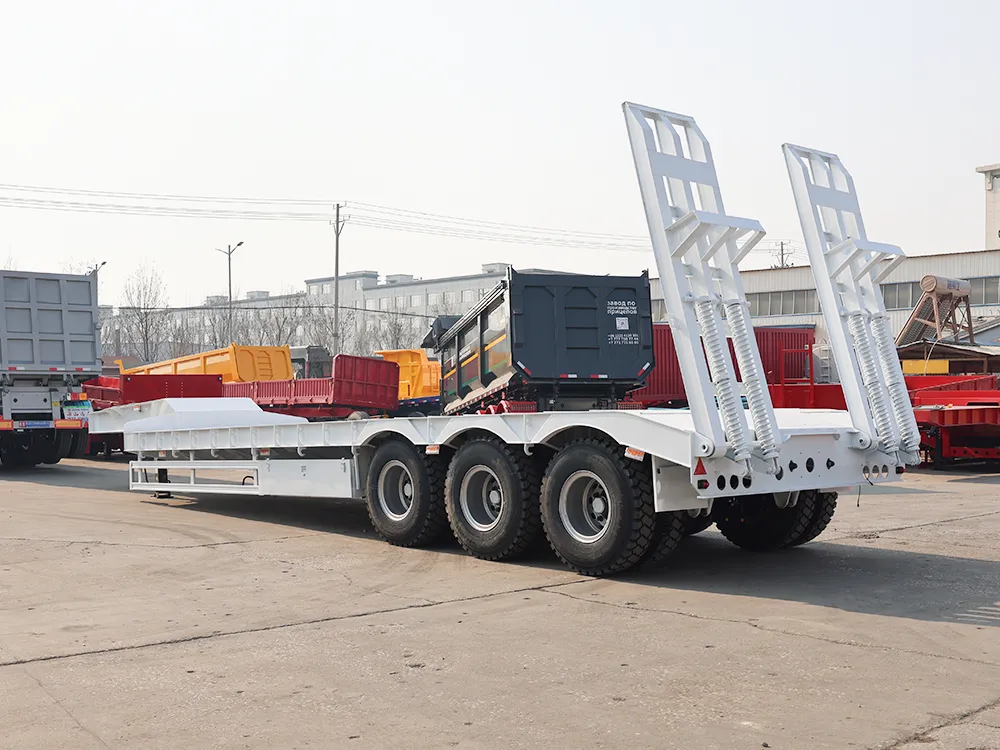
Car Haulers
Open or enclosed designs let you transport vehicles safely. Look for sturdy ramps and strong tie-down points.
Perfect for: Race cars, project vehicles, and classic car transport.
Boat Trailers
These match specific hull shapes like V-hull or pontoon styles. Saltwater use requires galvanized or aluminum construction.
Perfect for: Launching, storing, and trailering boats.
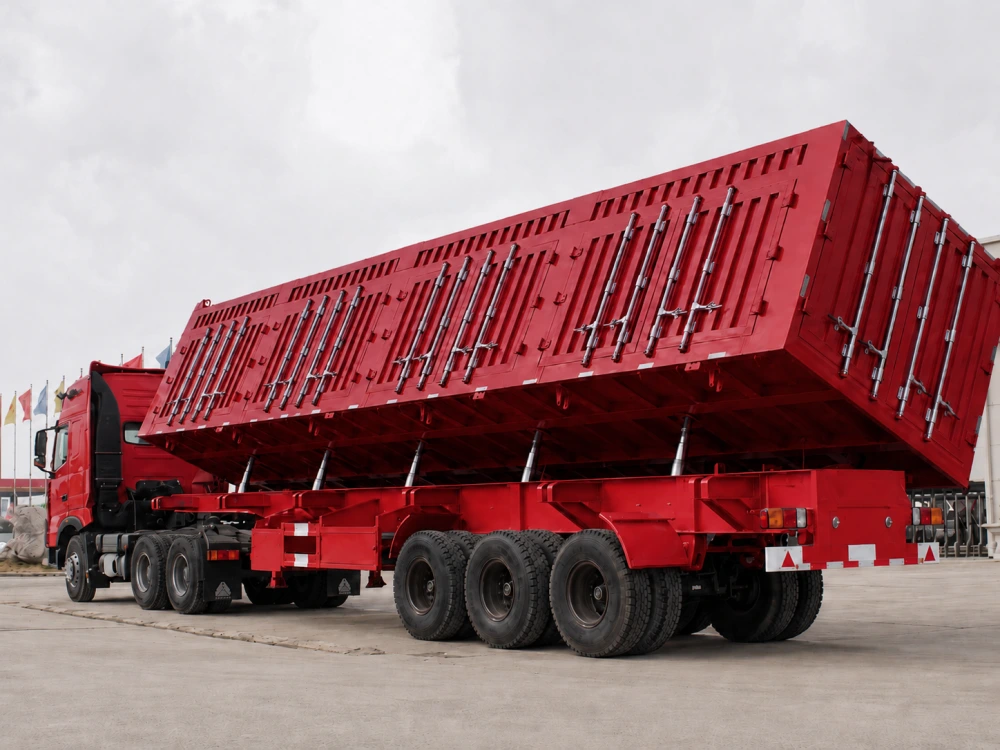
Dump Trailers
Hydraulic lifts tilt the bed for quick unloading. They save tremendous time with heavy materials.
Perfect for: Landscaping work and construction cleanup.
Livestock Trailers
Proper ventilation and non-slip flooring keep animals safe during transport. Smooth interior walls prevent injuries.
Perfect for: Moving horses, cattle, and other farm animals.
Understand Weight Ratings
Weight capacity affects safety more than any other factor. Know these terms before you shop.
Key Definitions
Gross Vehicle Weight Rating (GVWR) means the maximum safe weight of your loaded trailer. Never exceed this number.
Curb weight is what the trailer weighs when empty.
Payload capacity equals GVWR minus curb weight. This tells you how much cargo you can actually carry.
Tongue weight measures downward force at the hitch. It should equal 10-15% of your total loaded weight.
Check Your Vehicle’s Limits
Your tow vehicle has ratings too. Look in your owner’s manual for:
- Maximum towing capacity
- Maximum payload capacity
- Hitch receiver class
Leave a 10-20% safety margin. Pushing your vehicle to its limits invites trouble.
Choose the Right Size
Size impacts both capability and everyday usability. Think about where you will store it too.
Length Guidelines
Under 12 feet: Easy to maneuver, good for small loads
12 to 20 feet: The most popular range for general use
Over 20 feet: Requires practice to back up, needs more storage space
Width and Height
Standard width is 8.5 feet. Wider loads may need permits. Taller enclosed trailers catch more wind and affect fuel economy. Lower profiles load easier but carry less height.
Select Your Trailer Material
Your choice of material affects longevity and maintenance needs.
Steel Trailers
Steel offers strength at a reasonable price. It handles heavy loads well and repairs easily. The main drawback is rust over time. Regular painting helps prevent corrosion.
Aluminum Trailers
Aluminum never rusts and weighs less than steel. It holds resale value better but costs more upfront. Repairs require specialized skills.
Galvanized Trailers
A zinc coating protects these trailers from rust. They work great near saltwater but cost more than standard steel. They also weigh more than aluminum.
Evaluate Key Features
Small details make big differences in daily use.
Suspension Types
Leaf springs are common, reliable, and easy to fix. Torsion suspension gives a smoother ride with no maintenance needed.
Brake Systems
Surge brakes activate when the trailer pushes against your vehicle. Electric brakes let you control stopping from the cab. Most states require brakes on trailers over 3,000 pounds.
Lighting
LED lights last longer and shine brighter than standard bulbs. Sealed wiring harnesses prevent corrosion from moisture.
Tie-Down Points
Look for welded D-rings or stake pockets. More points give you more options for securing different loads.
Plan Your Budget
Trailer costs extend beyond the purchase price.
Purchase Costs
New trailers cost more but need fewer immediate repairs. Used trailers save money upfront but inspect them carefully before buying.
Ongoing Expenses
Budget for annual registration and insurance. Tires need replacement every 5-7 years. Bearings require regular greasing. Storage adds cost if you cannot park at home.
Avoid Common Mistakes
Learn from others’ experiences to skip these errors.
Buying too small happens often. Choose slightly larger than you think you need.
Ignoring tongue weight causes dangerous sway. Check this before loading fully.
Skipping maintenance shortens trailer life. Start good habits immediately.
Forgetting about storage leads to frustration. Measure your space before buying.
Overlooking hitch requirements creates problems. Match your coupler to your vehicle’s hitch.
Make Your Final Decision
Follow these steps to choose wisely:
Create your priority list: Rank what matters most—primary use, capacity, budget, storage.
Research options thoroughly: Read owner reviews and visit dealers. Ask about warranty coverage.
Inspect before buying: Check welds, look for rust, test lights, examine tires, and operate all moving parts.
Test tow if possible: Feel how it handles at different speeds. Practice backing and turning.
Conclusion
Choosing the right trailer takes time, but getting it right means years of reliable service. Focus on your primary needs first. Match size and capacity to both your loads and your vehicle. Invest in quality that fits your budget.
A good trailer serves you well for decades with proper care. Take your time during selection. The right choice makes every trip safer and easier.