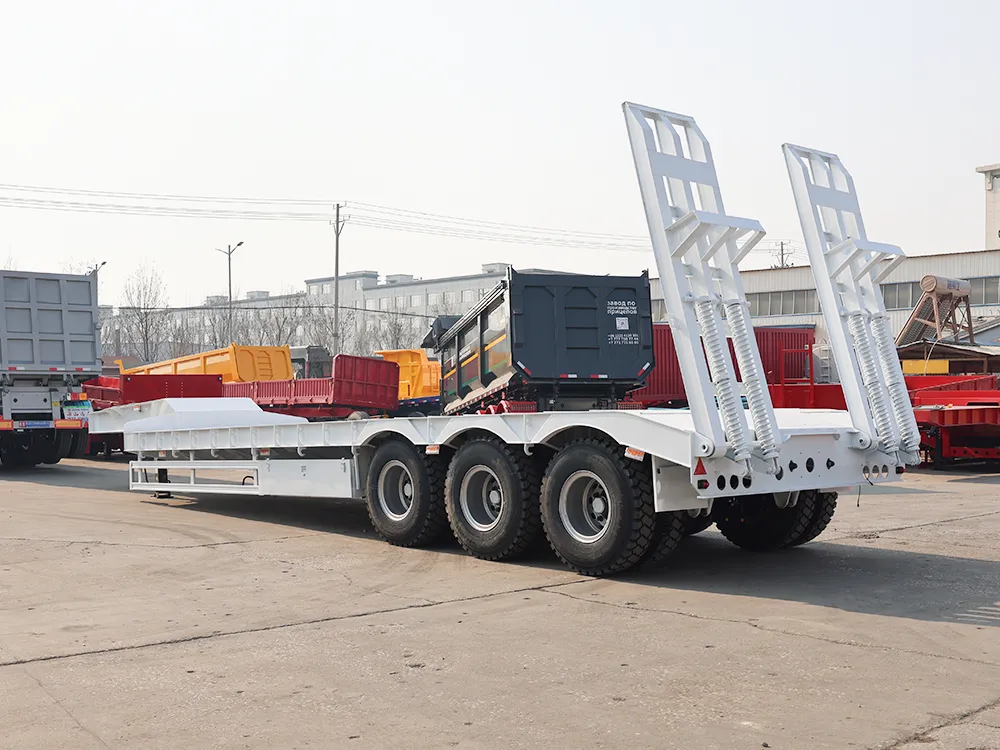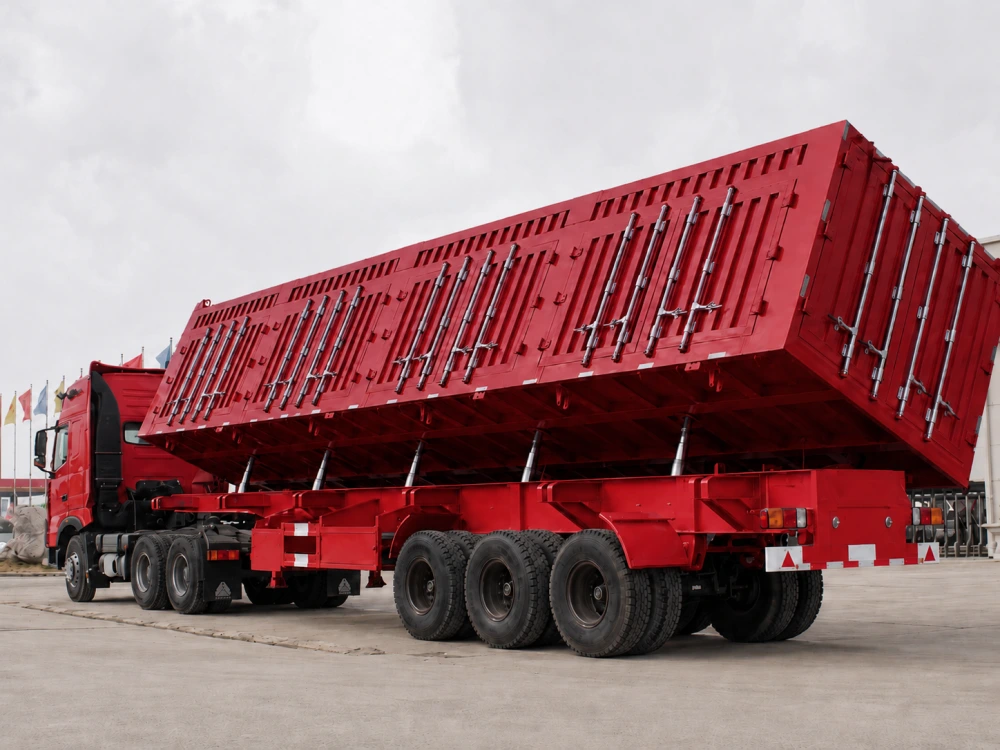

Ahmed runs a fleet out of Mombasa. Sharp guy, been in logistics for eighteen years. Last March, he called us in a panic — his brand-new low bed semi trailer, sourced from another supplier, had just cracked a crossbeam on a routine haul outside Nairobi. The load? A 55-ton crawler excavator. The trailer? Specced for 60 tons on paper. The road? A badly maintained B-road that, after two days of rain, was more trench than tarmac.
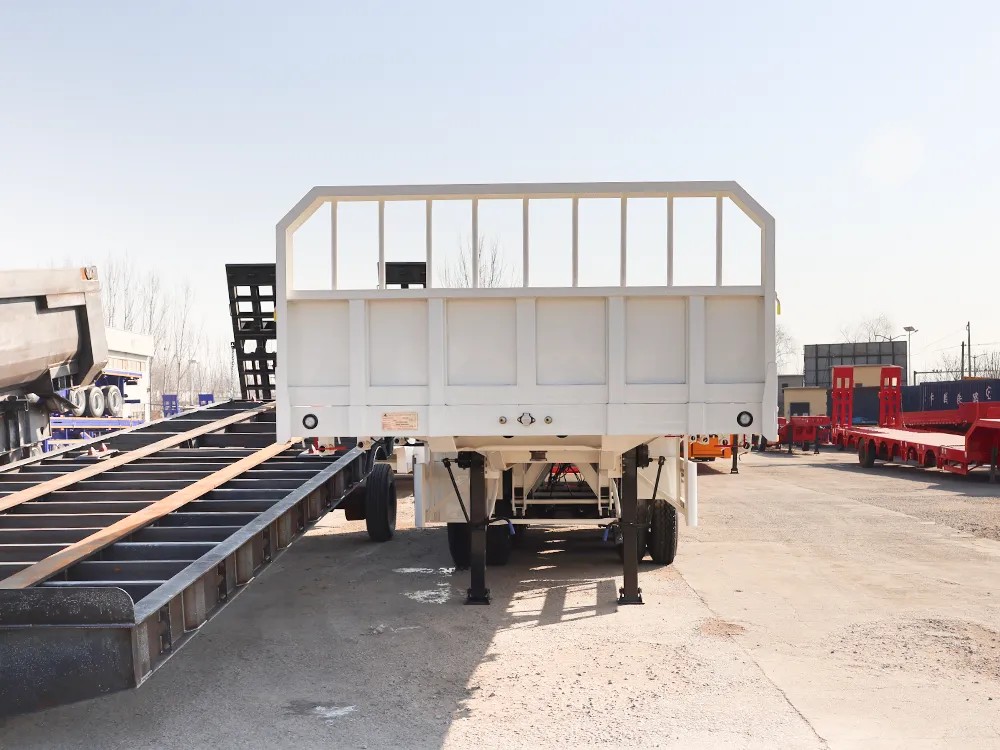
The trailer wasn’t defective. It was just the wrong configuration for the job.
That one mistake cost Ahmed eleven days of downtime, a missed project deadline, and a client relationship he’s still rebuilding. All of it, entirely avoidable — if the axle setup had matched the actual operating conditions from day one.
So — 2-axle, 3-axle, or 4-axle? Here’s what I’ve learned.
The Thing Most Buyers Get Wrong
When people shop for a low bed semi trailer, they look at payload capacity first. Fair enough. But capacity is only half the equation.
What really determines how long a trailer lasts — and how much trouble it saves you — is how that load gets spread across the axles, and how those axles handle what’s underneath them. Add an axle, and you’re not just changing a number. You’re spreading the weight, lowering ground pressure, and giving yourself a fighting chance when the road turns to mud.
Here’s the thing: road regulations complicate this further. Axle-load limits differ between Tanzania and Kenya, between Saudi Arabia and the UAE, between a federal highway and a rural access road on the same project site. Get this wrong, and you’re not just risking mechanical failure — you’re looking at roadside inspections, fines, and impounded cargo.
2-Axle: Simple, Capable, and Honest About Its Limits
For a fleet running sealed roads between Nairobi and Mombasa, the 2-axle low bed semi trailer makes a lot of sense. Lighter total weight, easier maneuverability in tight urban yards, lower tire costs. On a good road, it handles 40–60 tons without complaint.
Off-road, though? That’s where the 2-axle starts to struggle. Fewer axles mean the load concentrates over a smaller footprint — and on soft ground, that’s a recipe for the kind of phone call Ahmed made to us last March.
Use this config for regular, paved-route operations. Don’t push it onto unpaved job sites just to save money upfront.
Best for: Urban freight, short hauls, paved highway routes.
3-Axle: The One Most Operators End Up Choosing
I’ve spent time on sites in Lagos, Riyadh, Jakarta. Walk around long enough, and you notice the same thing: most of the heavy haulers running around are 3-axle units. Not because it’s the newest trend — because it just works.
The 3-axle low bed semi trailer — 60 to 80 tons, depending on how it’s built — hits that practical middle ground where payload, terrain flexibility, and operating cost all make sense together. It handles mixed routes well. It meets axle-load rules in most markets we ship to. And you don’t need a specialist driver or a separate escort vehicle the way you sometimes do with heavier rigs.
A customer from Accra — runs agricultural machinery across Ghana and Côte d’Ivoire — told me his 3-axle units have averaged over 200,000 km with only routine maintenance. That’s the kind of reliability that makes a fleet manager sleep well.
Look, I’ll be honest — when people ask me what to buy and they’re not sure, I point them to the 3-axle every time. It’s the Toyota Hilux of low beds. Not always the sexiest choice, but it’s the one that’ll get you home.
Best for: General heavy haulage, agricultural machinery, mixed terrain routes.
4-Axle: Built for When the Load Is Simply Enormous
Mining. Power infrastructure. Port equipment. If your cargo regularly exceeds 80 tons, the 4-axle is where you need to be.
Yes, it costs more to run. Yes, the turning radius is wider, which matters in confined spaces. But try moving a 110-ton transformer on anything smaller and you’ll understand why the 4-axle exists. Ground pressure drops significantly with the extra axle, which is critical when you’re crossing temporary bridges or hauling across semi-stabilized mine roads.
For operators in the Gulf running mega-project logistics, or mining contractors in Zambia and DRC, the 4-axle low bed semi trailer isn’t a luxury — it’s the minimum viable spec.
Best for: Mining equipment, large transformers, industrial machinery, mega-projects.
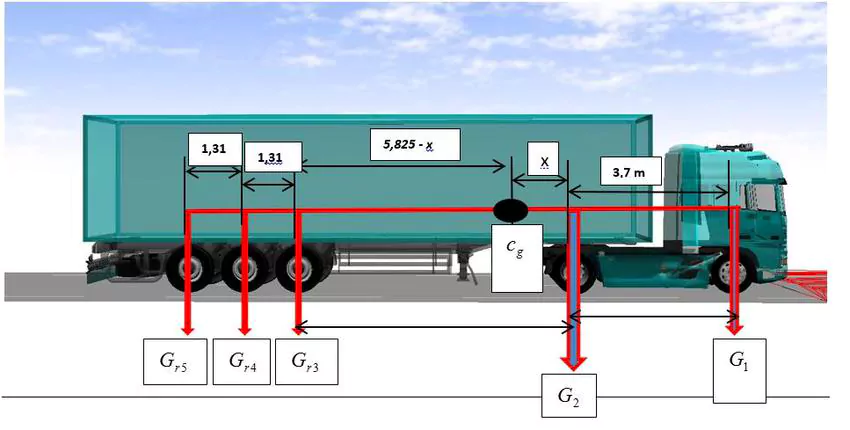
Understanding the physics of weight distribution: How we calculate axle loads to prevent crossbeam failure and ensure road legality.
A Quick Reference, If You Want It
| Configuration | Capacity | Best Terrain | Typical Use |
|---|---|---|---|
| 2-Axle | 40–60 T | Paved / Highway | Construction equipment, urban logistics |
| 3-Axle | 60–80 T | Mixed / Semi-paved | General heavy haulage, agricultural machinery |
| 4-Axle | 80–120+ T | All terrain | Mining, power infrastructure, mega-cargo |
A Job in Tanzania, Last Rainy Season
Early 2025. A logistics company in Dar es Salaam needed to keep moving construction machinery through Tanzania’s long rains — on unpaved access roads that, within a day of rainfall, turned into something closer to a river delta than a haulage route.
Standard trailers weren’t going to cut it. We knew that going in.
We worked directly with their operations manager — a straight-talking guy named Joseph who had zero patience for vague assurances. We spec’d out a customized 3-axle low bed semi trailer: widened tire spacing to reduce ground pressure, a reinforced gooseneck to handle the lateral stress of uneven terrain, and upgraded suspension calibrated for soft-ground dynamics rather than highway running.
Result: zero bogging incidents across the entire rainy season. Joseph’s words, not mine — “the best procurement decision we made that year.”
I’ve known Joseph for seven years. He doesn’t hand out compliments like that lightly.
That outcome didn’t come from a catalog. It came from thirteen years of asking the right questions before the order goes in.
On Customization — and Why “Standard” Usually Isn’t Enough
Here’s something the spec sheets won’t tell you: the gap between a standard trailer and a properly configured one is where most operational problems live.
Bridge weight limits, local road widths, loading dock clearances, seasonal terrain changes — none of this shows up in a generic product listing. A low bed semi trailer built to factory defaults will handle maybe 80% of your use cases without issue. That last 20%, though, is usually when and where it matters most.
Operators we’ve worked with in Nigeria, Indonesia, and Saudi Arabia share a consistent pattern: the ones who invest time upfront in getting the configuration right are the same ones placing repeat orders three years later. The ones who bought on price alone — you know the rest.
Still stuck? Shoot me a message. Tell me what you’re hauling, where you’re going — and yeah, how much mud you’re willing to drive through. I’ll tell you what I’ve seen work (and what I’ve seen fail). No pitch. Just 13 years of figuring it out the hard way.