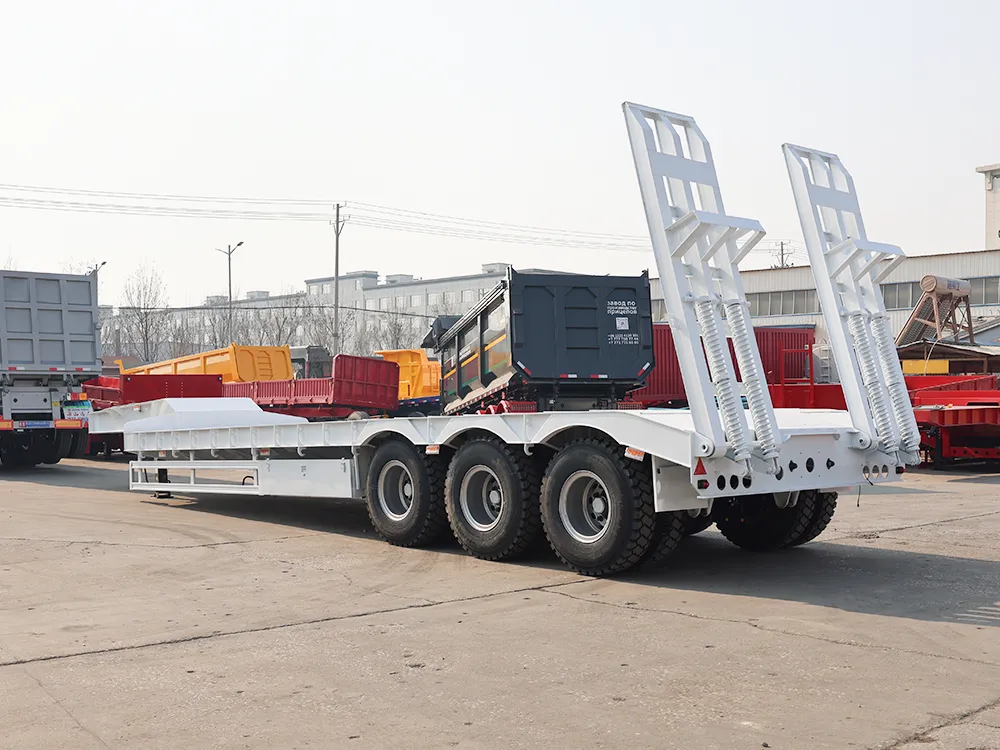

Lowboy trailers are the true workhorses of the heavy haul industry. They take on the toughest jobs, hauling heavy construction gear, industrial machinery and oversized loads that no standard trailer can handle. Every hauler knows these units are built tough, designed to withstand years of rough pavement, long highway miles and heavy payloads without skipping a beat.
But anyone who’s owned or run a lowboy knows the all-too-common headache: your trailer starts breaking down way sooner than it should. Cracked frames, shot suspension, finicky brakes and recurring tire issues pile up repair bills fast. Here’s the honest truth: almost none of these early failures come from factory flaws or regular wear and tear. They’re caused by small, repeated hauling mistakes that no one trains new drivers on. These little bad habits add up on every trip, wearing down key parts slowly until a minor issue turns into a costly roadside breakdown. I’m breaking down these underrated mistakes and sharing real field-tested fixes to help your lowboy last way longer.


Invisible Load Imbalance: The Silent Structural Killer
Hidden Dangers of Uneven Cargo Distribution
Every trucker knows overloading a lowboy is a surefire way to wreck equipment. But the far bigger, underrated issue is uneven load placement. Most crews only focus on two things: strapping cargo down tight and staying under legal weight limits. Hardly anyone takes the time to check how that weight actually sits across the trailer frame, axles and suspension.
Lowboy frames are engineered for evenly dispersed weight. When you set an excavator, dozer or heavy equipment too far forward, too far back or off to one side, all the stress hammers one small section of the frame. After hundreds of hauls, this constant uneven pressure creates tiny hairline cracks that keep expanding over time. Before you realize it, you’ve got bent cross-members, misaligned axles and permanent structural damage that’s not worth fixing. Rear-heavy loads destroy rear axles and overheat brakes in no time, while front-heavy equipment wears out coupling components and front suspension prematurely.
Practical Fix for Load Imbalance Issues
Don’t rush your load setup process. Map out your cargo placement before you tighten a single strap. Always use axle scales to confirm even weight distribution — never guess at it. Use heavy-duty blocking and bracing to stabilize odd-shaped equipment and balance out heavy hotspots. Making load balance a non-negotiable pre-trip check is the easiest, cheapest way to avoid long-term frame and axle damage.
Chronic Suspension Neglect: Spring and Air Bag Cascade Failures
Common Suspension Damage Triggers
Your lowboy’s suspension takes every hit from potholes, rough roads and heavy payloads on every run. Shockingly, it’s also the most overlooked part of every pre-trip inspection. On spring suspension lowboys, a single cracked or worn leaf spring feels like a minor issue, but it triggers a total domino effect. Once one leaf fails, the entire load shifts to the remaining springs, overloading them instantly. This quickly bends mounting brackets, throws off axle alignment and ruins the entire suspension system in just a few months of hauling.
Air suspension lowboys have their own set of hidden problems. Tiny pinholes in air bags, loose line fittings and dried-out seals cause slow, silent air leaks. You won’t hear or feel these leaks while driving, but they throw off your trailer’s air pressure consistency. Running loads with unbalanced air pressure leads to lopsided ride height, constant frame strain and premature wheel bearing wear. Most drivers wait until the system completely fails to fix issues, instead of catching small leaks early on.
Suspension System Maintenance Solution
Do a hands-on full suspension inspection every month. Mark leaf springs with a light paint coat to easily spot sagging or shifting over time, and replace damaged springs immediately — don’t put it off. For air suspension setups, use the classic soapy water trick: spray down all lines and air bags, and watch for bubbles to spot hidden leaks. Never hit the road if your lowboy sits uneven or has a soft, unstable suspension feel.
Reckless Braking Habits: Thermal Overload and Brake Fade
How Improper Braking Destroys Trailer Brakes
Braking habits that work fine for light loads will slowly destroy your lowboy’s brake system. Hard last-minute stops, holding brakes steady on long downhill grades and frequent emergency braking generate intense heat inside drums and rotors. When you’re hauling 40+ tons of heavy machinery, your brakes are already operating near their maximum heat capacity on every single trip.
Prolonged downhill braking traps heat with zero chance to cool down. The end result is warped brake drums, uneven pad wear and fried hydraulic and magnetic brake parts. A common shortcut mistake drivers make is over-adjusting brake shoes. This creates constant brake drag, speeds up wear and causes frequent brake lockups. Corroded seven-way plugs, damaged wiring and weak ground wires make everything worse, leading to delayed, inconsistent braking across different axles.
Scientific Braking & Brake Maintenance Tips
Use staged braking on downhill stretches. Tap brakes intermittently to let the system cool instead of holding them down continuously. Adjust brake shoes strictly to factory specs — skip the over-tightening quick fixes. Inspect all wiring and plug connections for corrosion before every long haul. Service brake parts on a set schedule, not just when you notice fading or performance issues.
Overlooking Hidden Tire Damage (Not Just Blowouts)
Invisible Tire Damage That Shortens Trailer Life
Every driver notices and fixes a blown tire right away. But hidden internal tire damage is the number one reason lowboys retire early. Slamming into potholes, curbs or road debris almost never causes an immediate flat. Instead, it bruises the inner tire casing, stretches internal belts and creates tiny hidden tears beneath the tread surface.
These unseen issues don’t show symptoms right away. Months later, they lead to tread separation, choppy uneven wear and sudden, dangerous tire failure. Underinflated tires amplify the problem by building up excess heat, forcing the suspension and frame to absorb extra road stress. Overinflated tires create an overly stiff ride, transferring every small road bump straight to the trailer frame and speeding up metal fatigue and cracking.
Standard Tire Inspection & Maintenance Rules
Don’t only check tire pressure and surface tread depth. Take a minute to inspect sidewalls for bulges, soft spots and irregular wear patterns. If a tire takes a hard impact from debris or curbs, replace it proactively instead of gambling with it. Inflate tires to the exact pressure matching your current load weight, and rotate tires quarterly to keep wear even across the whole set.
Skipping Pre-Trip Minor Adjustments and Seasonal Maintenance
Trivial Oversights That Cause Severe Damage
Most fleet maintenance programs only focus on major, obvious repairs and ignore the small daily tweaks that keep trailers running strong. Loose frame bolts, dry pivot points, worn bushings and corroded electrical connections vibrate nonstop during every haul. After thousands of highway miles, this constant micro-vibration loosens structural parts, widens tiny frame cracks and throws off precise axle and suspension alignment.
Seasonal weather changes make these small issues even worse. Cold winter air stiffens rubber components like air bags and tire casings, making them far more prone to cracking. Hot summer temperatures speed up brake heat fade and break down hydraulic fluid much faster. Skipping seasonal maintenance turns minor wear and tear into permanent, costly damage year after year.
Complete Pre-Trip & Seasonal Maintenance Checklist
Build a strict daily pre-trip routine: torque up loose frame bolts, lubricate all moving pivot points, clean dirty electrical connections and check bushing wear regularly. Adjust your maintenance schedule for the seasons: thoroughly inspect all rubber parts in winter, and flush and refresh brake hydraulic fluids throughout hot summer months.
The Real Cost of Early Lowboy Breakdowns
Economic Losses & Safety Risks of Premature Failure
Early trailer breakdowns cost way more than just repair bills. Unexpected failures mean expensive roadside service fees, rushed emergency part orders and crippling downtime. For independent haulers and fleets alike, downtime equals missed loads, delayed customer deliveries, lost contracts and a damaged business reputation. Consistent unaddressed wear also crushes your trailer’s resale value, costing you big money when it’s time to upgrade equipment.
Safety is the biggest overlooked cost of poor maintenance. Compromised frames, worn brakes and unstable suspension create major highway hazards. One serious incident can lead to cargo damage, costly liability claims and heavy fines that dwarf the price of routine upkeep. Proactive maintenance isn’t an unnecessary expense — it’s cheap, essential insurance for your equipment and your business.


Final Takeaway: Stop Reacting, Start Protecting
Lowboy trailers are built tough to handle heavy loads and rough road conditions for years on end. But they can’t withstand repeated, avoidable hauling mistakes. Premature breakdowns are never bad luck — they’re the result of small, uncorrected errors stacking up trip after trip.
Fixing load imbalance issues, staying on top of hidden suspension and brake wear, checking tires for internal damage and sticking to routine small adjustments will eliminate nearly all early lowboy failures. The most expensive hauling mistakes aren’t the big, dramatic breakdowns. They’re the quiet, overlooked daily oversights that slowly wear your equipment down. Fix these bad habits, and your lowboy will stay reliable, safe and profitable for many more years.