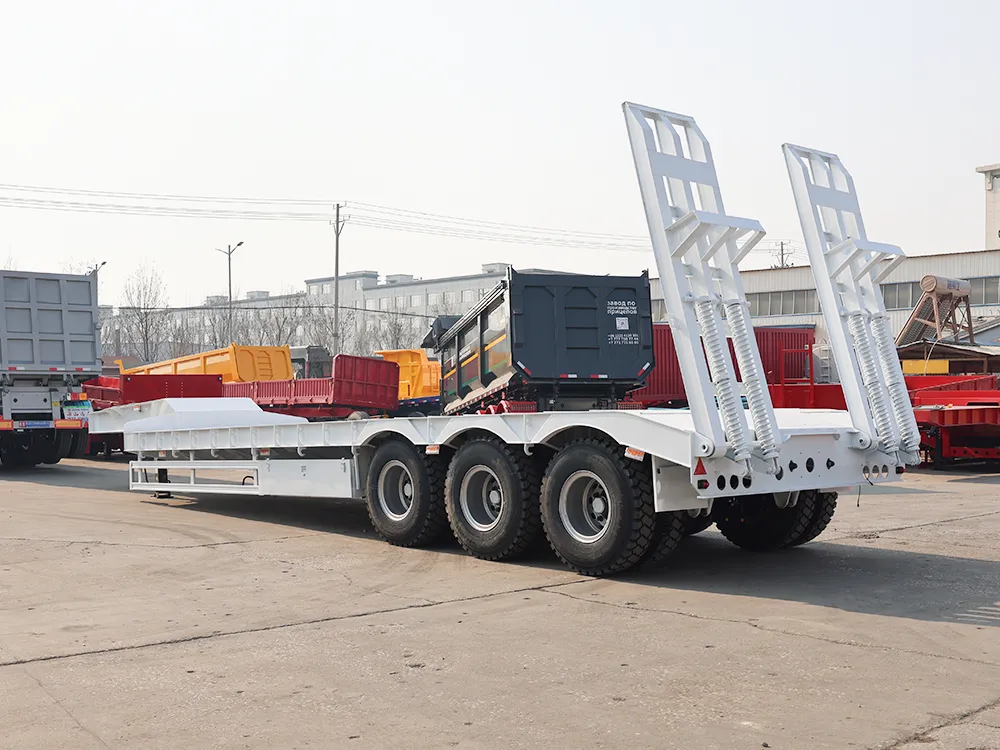

In infrastructure-booming regions across the Middle East and Southeast Asia, short-haul transportation of sand, gravel and construction waste has always been a mainstream livelihood for truck drivers. There are no shortcuts in this trade—only dawn-to-dusk runs and trip-by-trip accumulation. But the local short-haul trucking trade has seen a noticeable change these past few years. Lots of seasoned drivers have run rear-tip dump trucks for decades. Now they’re trading out their aging rigs for side-tipping semi-trailers.
This is not blind trend-chasing. It is a practical choice forged from real-world operational experience. Amid stricter overloading regulations, complex construction site conditions and volatile market conditions, side-tipping semi-trailers have become the ultimate cost-performance option for sand and gravel haulage. Based on the firsthand experiences of two overseas frontline truck drivers, this article explores the core reasons behind the rising popularity of side-tipping semi-trailers.
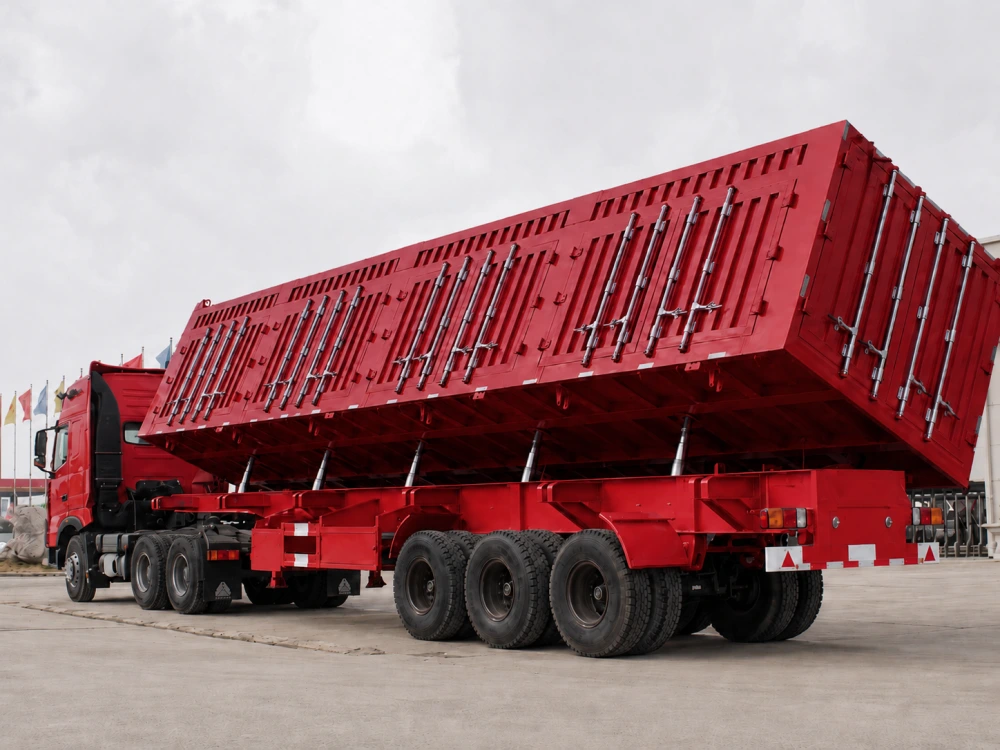
Traditional Rear-Tipping Trucks Can No Longer Keep Up With Current Market Demands
Before the widespread adoption of side-tipping semi-trailers, rear-tipping dump trucks dominated overseas sand and gravel transportation. In the past, loose regulations and lenient overload enforcement allowed drivers to profit from overloading to secure decent income. However, as countries upgrade road compliance standards and construction site specifications, the inherent drawbacks of conventional rear-tipping trucks have become major pain points for haulers.
Compliance Restrictions Severely Cut Profit Margins
Ali is 46 and works as a truck driver in Sharjah, UAE. He’s spent 20 years hauling construction waste and bulk aggregates, shuttling each day between quarry mines and city building sites. According to Ali, traffic enforcement was lax in the past. Drivers with rear-tipping dump trucks could haul overweight loads to bump up their income easily.
Now the UAE carries out comprehensive weight inspections and random road patrols nationwide. Overloading leads to costly fines, truck impoundment or suspended licenses, wiping out that traditional profit source. Built with heavy fixed bodies, rear-tipping trucks have limited legal cargo space under weight regulations. After paying for fuel and tolls, drivers can hardly turn a profit even after a full day of deliveries.
High Unloading Risks and Poor Site Adaptability
The biggest concern for veteran drivers is the extreme safety hazard during unloading. Rear-tipping trucks lift the entire cargo box vertically, drastically raising the vehicle’s center of gravity. This requires perfectly flat ground, which is rarely available on Middle Eastern construction sites featuring soft sandy soil, potholed terrain and narrow working zones, easily causing vehicle tilting or even rollovers.
Ali shared a terrifying experience. During an overnight rush hauling construction waste, the soft ground at the site edge sank halfway through unloading. The truck tilted sharply as the cargo box lifted. He immediately shut down the hydraulic system and spent nearly an hour stabilizing the vehicle with workers’ help. The delay cost him subsequent orders, resulting in significant financial losses.
Drivers’ Field Test: Side-Tipping Semi-Trailers Solve Core Industry Pain Points
Faced with shrinking profits, high safety risks and low efficiency, many drivers have opted to upgrade their fleets. Ali purchased a lightweight side-tipping semi-trailer in early 2024. After over a year of daily operation, he commented: “This is the best decision I’ve made in years.” Compared with traditional rear-tipping trucks, side-tipping models deliver tangible advantages in revenue, safety and efficiency.
Lightweight and Compliant for Higher Revenue Per Trip
Side-tipping semi-trailers adopt high-strength lightweight steel structures with optimized weight distribution, fully complying with international transportation regulations. Within legal gross weight limits, they can carry an extra 1 to 2 tons of sand and gravel per trip without overloading, steadily increasing single-trip revenue.
According to Ali’s daily operation data, he completes 5 to 6 round trips every day, gaining nearly 10 tons of extra payload daily. The extra monthly income from increased legal payload far exceeds that of conventional rear-tipping trucks. Drivers can earn steady profits legally without evading inspections or fearing fines.
Low Center of Gravity Eliminates Unloading Safety Worries
Side-tipping semi-trailers stand out in safety thanks to their sideways unloading setup. They don’t need to lift the whole cargo bed upward, so the truck keeps a low, steady center of gravity. Drivers can unload safely on soft, bumpy or tight construction lots. Roll-over or tipping accidents are nearly impossible this way.
Besides, rear-tip dump trucks can’t work under overhead power cables or low overhead obstacles. Side-tipping semi-trailers conveniently drop loads right beside the road instead. Drivers no longer need to spend extra time shifting to new unloading spots. Work efficiency gets lifted noticeably as a result.
Multi-Scenario Adaptability Helps Drivers Survive Off-Seasons
The sand and gravel transportation industry has obvious peak and off-peak seasons. When infrastructure projects halt and aggregate demand drops, drivers relying solely on bulk cargo face downtime, while still bearing loan, insurance and maintenance costs. The multi-functional design of side-tipping semi-trailers provides reliable income stability.
Multi-Purpose Design Breaks Single-Cargo Limitations
Nguyễn Minh Hùng, a post-90s truck driver operating in Hanoi, Vietnam, specializes in short-haul construction material transportation. He previously drove a rear-tipping dump truck, which was limited exclusively to bulk materials. During off-seasons, his vehicle sat idle with zero income, bringing huge financial pressure.
Switching to a side-tipping semi-trailer completely transformed his business. Apart from sand, gravel and construction waste, the vehicle can haul bricks, crushed stones, bagged building materials and engineering accessories. It fills the income gap during sluggish aggregate seasons, improving annual operation rates and greatly enhancing ability to resist market fluctuations.
Lower Failure Rates Cut Massive Maintenance Costs
For truck drivers, any vehicle breakdown directly cuts their earnings. Standard rear-tipping dump trucks put all lifting stress on their hydraulic systems. They run nonstop on rough roads, in hot weather and under heavy loads every day. Hydraulic leaks, bent chassis and broken lifting parts happen often. Repair bills run high, and lengthy downtime costs drivers more revenue.
Side-tipping semi-trailers feature evenly stressed hydraulic systems, reinforced main beams and synchronized hydraulic jacks, delivering superior structural stability and durability. After more than a year of high-intensity operation, both Ali and Nguyễn Minh Hùng’s vehicles have required no major repairs, only routine maintenance. The saved maintenance fees translate directly into net profit.
Higher Initial Purchase Price, Better Long-Term Value
Many drivers hesitate to upgrade due to the higher upfront cost of side-tipping semi-trailers compared with traditional rear-tipping trucks. However, the two overseas veteran drivers both confirm that the slightly higher investment is a worthwhile long-term asset.
These Side-Tipping Semi-Trailers carry more legal cargo and work faster. They break down less often and fit more job sites as well. The extra yearly income plus savings on fixes and idle time covers the higher buying cost easily. Over time, owners earn bigger profits and get more money when reselling the equipment.
Final Thoughts: Vehicle Selection Equals Stable Earnings
The shift from rear-tipping to side-tipping trailers by Ali from the UAE and young driver Nguyễn Minh Hùng from Vietnam is not a blind trend, but a rational conclusion drawn from countless trips, unloading operations and profit calculations.
Sand and gravel haulage has always been a tough profession. Every dollar earned comes from hard work under the scorching sun and in dusty environments. In an era of strict compliance, transparent market prices and fierce competition, the old profit model of risky overloading and outdated equipment is no longer viable.
Side-tipping semi-trailers lead the market for four key reasons. They follow transport rules with no penalty risks, deliver safer unloading, raise work earnings, and stay profitable even in slow business seasons. Drivers need to pick trucks matching their actual job needs. This is the surest way to keep stable, long-term income.